


Watches have come a long way from being mere timekeepers to becoming sophisticated devices with a multitude of features. In the age of wearable technology, watches have evolved into powerful gadgets that not only tell time but also improve our lifestyle, enhance fitness, and even monitor our health. In this blog, we’ll explore the innovative technologies that are shaping the future of watches and why they are becoming essential accessories for everyone.
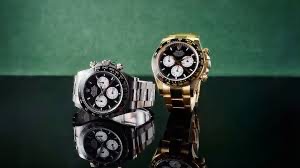
1. Smartwatch Technology: The Fusion of Fashion and Function
Smartwatches have taken the watch industry by storm, offering a wide range of functionalities beyond just telling time. These devices run on advanced operating systems like Apple’s watchOS, Google’s Wear OS, and Samsung’s Tizen, allowing them to perform a variety of tasks.
- Fitness and Health Tracking: Most smartwatches are equipped with sensors like heart rate monitors, accelerometers, and gyroscopes, enabling them to track physical activity such as steps, heart rate, calories burned, and even sleep quality.
- Notifications and Alerts: Smartwatches sync with your smartphone to receive notifications for messages, calls, emails, social media alerts, and calendar reminders, all at a glance.
- Voice Assistants: Integration with voice assistants like Siri, Google Assistant, and Alexa allows users to control various functions of the smartwatch and connected devices via voice commands.
- GPS and Navigation: With built-in GPS, smartwatches provide real-time navigation and track outdoor activities like running, cycling, and hiking.
- Music and Media: Many smartwatches come with built-in music storage or the ability to stream music directly, making them great companions for workouts or travel.
2. Health Monitoring: Beyond Fitness Tracking
Modern watches are no longer just tools for measuring activity levels; they are powerful health monitors, often capable of detecting early signs of medical conditions. With the integration of advanced sensors and algorithms, watches now offer features that track and analyze various aspects of our health.
- ECG (Electrocardiogram): Some high-end smartwatches, like the Apple Watch Series 9 and the Fitbit Sense, can take an electrocardiogram to monitor your heart’s rhythm. This is particularly useful for detecting irregular heartbeats, such as atrial fibrillation (AFib), which can help in early diagnosis.
- Blood Oxygen Monitoring (SpO2): Watches with SpO2 sensors can measure the oxygen saturation in your blood. This feature is especially important for individuals with respiratory conditions like asthma or COVID-19.
- Blood Pressure Monitoring: Some watches are also equipped with sensors that can monitor blood pressure, providing users with valuable information to manage their health proactively.
- Stress Monitoring: Advanced sensors are now capable of measuring stress levels by analyzing your heart rate variability (HRV), a key indicator of stress, helping you manage your mental health better.
3. Battery Innovations: Powering the Future
Battery life has always been a key concern for wearable devices, especially smartwatches. However, recent advancements in battery technology are changing the game.
- Solar-Powered Watches: Solar-powered technology, which has been popular in traditional watches for years, is now making its way into smartwatches. Brands like Garmin and Citizen have introduced solar-powered models that can extend battery life significantly, even for days or weeks.
- Fast Charging: With the increased demand for smartwatches, manufacturers have focused on improving charging technology. Many models now feature fast charging capabilities, where you can get hours of use with just a few minutes of charging.
- Energy-Efficient Display: The development of energy-efficient displays, like OLED and E Ink screens, has significantly improved battery life. These displays consume less power, allowing users to enjoy longer usage without needing frequent charges.
4. Augmented Reality (AR) and Gesture Control
AR technology is beginning to find its place in the watch industry, especially in smartwatches designed for outdoor adventures and sports. Companies like Garmin and Casio have incorporated AR into their devices to provide useful navigation and information in real time.
- Gesture Control: Some smartwatches can detect hand gestures, allowing users to navigate through apps, adjust settings, or answer calls with simple movements, without even touching the screen. This feature is becoming increasingly useful when wearing gloves or during physical activities.
- Heads-Up Display (HUD): The integration of HUDs in watches allows users to see key information directly in their line of sight. This is particularly valuable for athletes and adventurers who need quick access to data like speed, distance, or elevation without breaking their stride.
5. Advanced Sensors and Materials
Innovation in sensor technology has enabled watches to do much more than just tell time. Many modern watches are equipped with an array of sensors, including:
- Barometers: Used for measuring atmospheric pressure, barometers are useful for predicting weather changes and tracking altitude, particularly for hikers and mountaineers.
- Altimeters: Watches with altimeter sensors can track your elevation, which is especially useful for activities like hiking, skiing, and mountain climbing.
- Thermometers: Temperature sensors allow users to measure body temperature or environmental temperature, which can be vital for extreme sports or monitoring health.
Additionally, the materials used to construct modern watches have evolved. Manufacturers now use lightweight, durable, and hypoallergenic materials such as titanium, ceramic, and carbon fiber, ensuring that the watches are not only functional but also comfortable to wear for long periods.
6. Fashion Meets Technology: Customization and Style
While technology is at the forefront of modern watches, aesthetics and personalization are equally important. Watch brands are offering a wide range of customization options to suit different tastes and lifestyles.
- Interchangeable Straps: Many smartwatches come with interchangeable bands, allowing users to switch up their style according to occasion, outfit, or preference.
- Watch Faces: With customizable watch faces, users can choose from a variety of designs, from digital to analog, minimalistic to artistic, making each smartwatch uniquely their own.
- Slim and Stylish Designs: The trend in modern watches is to make them sleek, stylish, and less bulky. Whether you’re attending a business meeting or working out at the gym, watches today are designed to complement your personal style without compromising on functionality.
Conclusion
The technology behind watches is continually evolving, and what was once a simple tool to keep track of time has transformed into a sophisticated gadget that can enhance every aspect of our daily lives. From health monitoring and fitness tracking to customizable designs and solar-powered innovations, the future of watches is exciting and full of endless possibilities.
As these technologies continue to improve, we can expect even more groundbreaking features to emerge, making our watches even smarter, more useful, and more integrated into our lifestyle. Whether you’re a fitness enthusiast, a tech lover, or someone looking for a stylish accessory, the modern watch is no longer just about telling time—it’s about enhancing your life.
Comments
User 1
This is a comment on the blog post.
User 2
Another insightful comment!